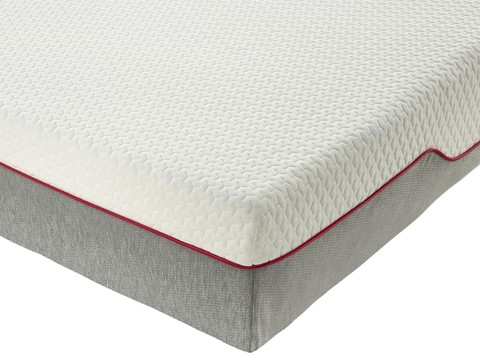
Reflex Foam
£203.65
Finding the right mattress can make a world of difference for individuals who suffer from back pain. A mattress that supports spinal alignment, relieves pressure points, and provides adequate comfort is essential for a good night's sleep and improved back health.
In this article, we will explore the best types of mattresses for bad backs to help you make an informed decision.

The wrong mattress can exacerbate or even cause back pain. If your mattress is too soft, it may fail to support your spine properly, leading to misalignment. Conversely, a mattress that is too firm can put pressure on sensitive areas like your shoulders and hips.
Signs that your mattress might be contributing to your back pain include waking up with stiffness or discomfort, visible sagging in the mattress, or feeling better after sleeping elsewhere.
A bad back can significantly disrupt your sleep quality and overall rest. Chronic back pain may lead to difficulty finding a comfortable sleeping position, causing frequent tossing and turning throughout the night. Pain can also activate the body’s stress response, making it harder to fall and stay asleep.
Moreover, poor sleep due to back pain can create a cycle of worsening discomfort. Lack of restorative sleep can increase sensitivity to pain and hinder the body’s natural healing processes. Addressing back pain with proper support, including a high-quality mattress and ergonomic sleeping positions, can break this cycle and improve both your sleep and back health.
Memory foam mattresses are widely regarded as one of the best options for people with back pain. They are designed to contour to the shape of your body, providing excellent support for your spine and reducing pressure points.
Memory foam also absorbs motion, which is ideal if you share the bed with a partner. When shopping for memory foam, look for medium-firm options, as they tend to offer the best balance between comfort and support.
Pros:
Cons:
£203.65
£414.42
£553.02
Pocket sprung mattresses contain individual springs encased in fabric pockets. This design allows the mattress to provide targeted support, adapting to the shape of your body. Pocket sprung mattresses are also highly durable and offer good airflow, which helps regulate temperature.
For those with back pain, consider a pocket sprung mattress with a firmer tension or one that includes a layer of memory foam or latex for added comfort.
Pros:
Cons:
£303.54
£358.98
£553.02
£220.38
Orthopaedic mattresses (such as our Julia model) are specifically designed to support the spine and joints. They are often firmer than other types of mattresses, making them a great choice for individuals with chronic back pain. These mattresses help maintain proper spinal alignment and reduce the risk of sinking into the mattress, which can exacerbate back issues.
Pros:
Cons:
£622.32
Latex mattresses (such as our Savannah 2000 model) are another excellent choice for back pain sufferers. They are known for their responsiveness and ability to provide consistent support. Natural latex is also hypoallergenic and resistant to dust mites, making it a great option for allergy sufferers.
Latex mattresses come in various firmness levels, so you can choose one that suits your needs. They also tend to be more breathable than memory foam, ensuring a cooler sleep environment.
Pros:
Cons:
£302.40
Hybrid mattresses combine layers of memory foam, latex, or gel with pocket springs. This design offers the benefits of both materials, providing contouring and pressure relief alongside the support and breathability of springs. Hybrids are versatile and suitable for various sleep positions, making them a popular choice for back pain relief.
Pros:
Cons:
In addition to choosing the right mattress, consider other factors such as maintaining a healthy sleep posture, investing in a supportive pillow, and ensuring your mattress is replaced every 7-10 years.

Maintaining a neutral spine while sleeping is crucial for back health. Side sleepers should place a pillow between their knees to align the hips, while back sleepers can use a small pillow under the knees to reduce pressure on the lower back. Avoid stomach sleeping, as it often causes the spine to arch unnaturally.
A good pillow is as important as a quality mattress. Look for pillows that support the natural curve of your neck and keep your head aligned with your spine. Adjustable pillows or memory foam options are excellent for customising support.
Over time, mattresses lose their supportive structure. Replacing your mattress every 7-10 years ensures you’re not compromising your back health with sagging or worn-out materials.
Incorporate stretches and strengthening exercises into your daily routine. Yoga poses like Child’s Pose and Cat-Cow are gentle on the back while improving flexibility.
Core-strengthening exercises can also help stabilise the spine, reducing strain during sleep.
Choosing the best mattress for a bad back is a personal journey that depends on your individual needs and preferences. Memory foam, pocket sprung, orthopaedic, latex, and hybrid mattresses all have unique benefits that can help alleviate back pain.
Remember to prioritise spinal alignment, pressure relief, and overall comfort when selecting your next mattress. With the right choice, you can look forward to more restful nights and better back health.